
Two thirds of the earth’s surface is covered by water but 97.5 percent of this water is saline (oceans and sea) and not fit for drinking and other domestic purposes.
With over 2.6 billion people living without access to improved sanitation facilities, and nearly 900 million people not receiving their drinking-water
It was estimated that 2 million people die every year due to diarrhoeal diseases, most of them are children less than 5 years of age. Half of the world hospital beds
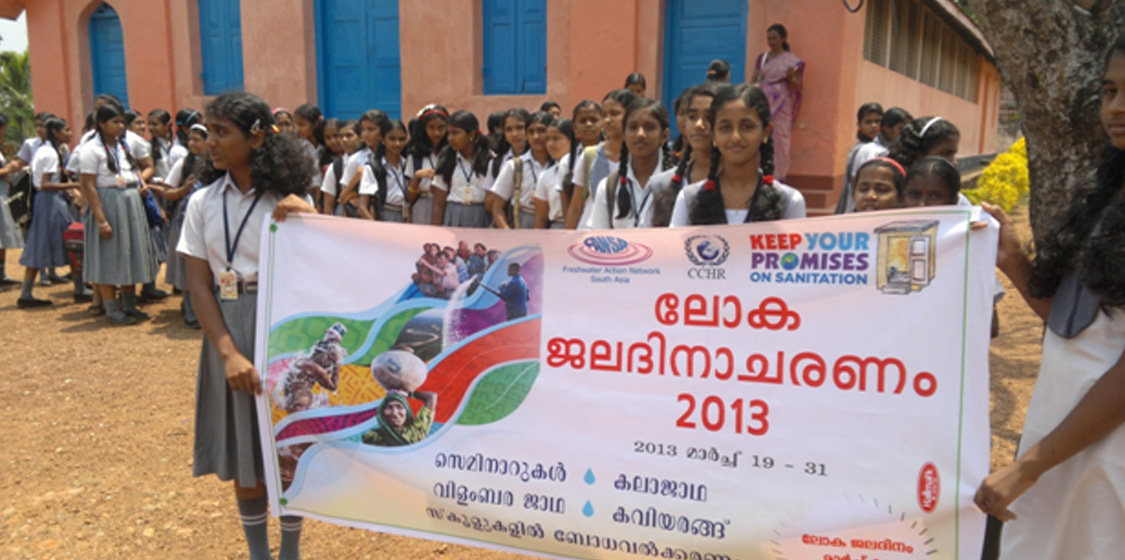
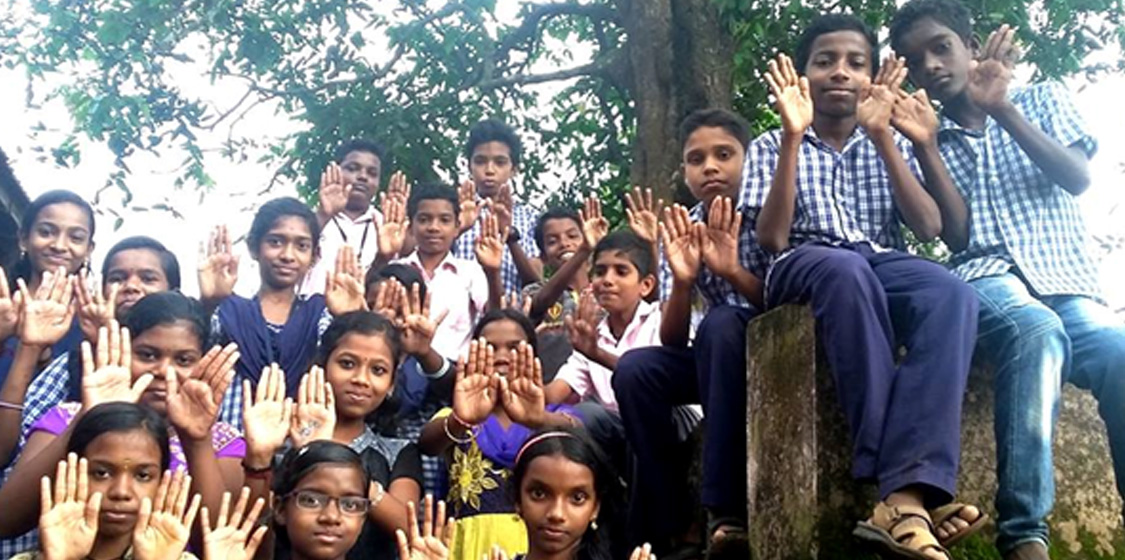
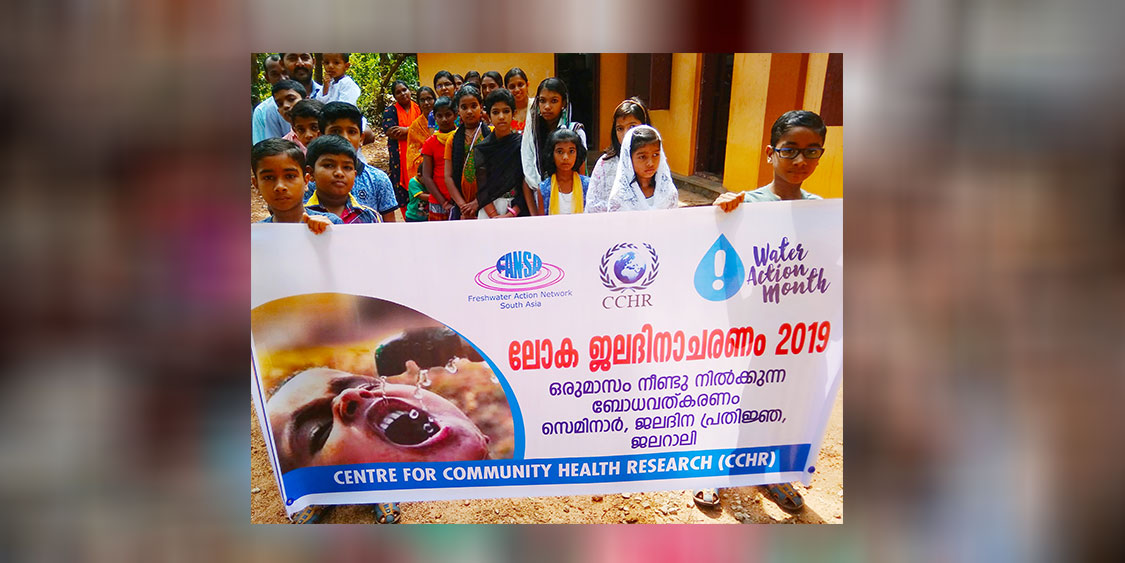
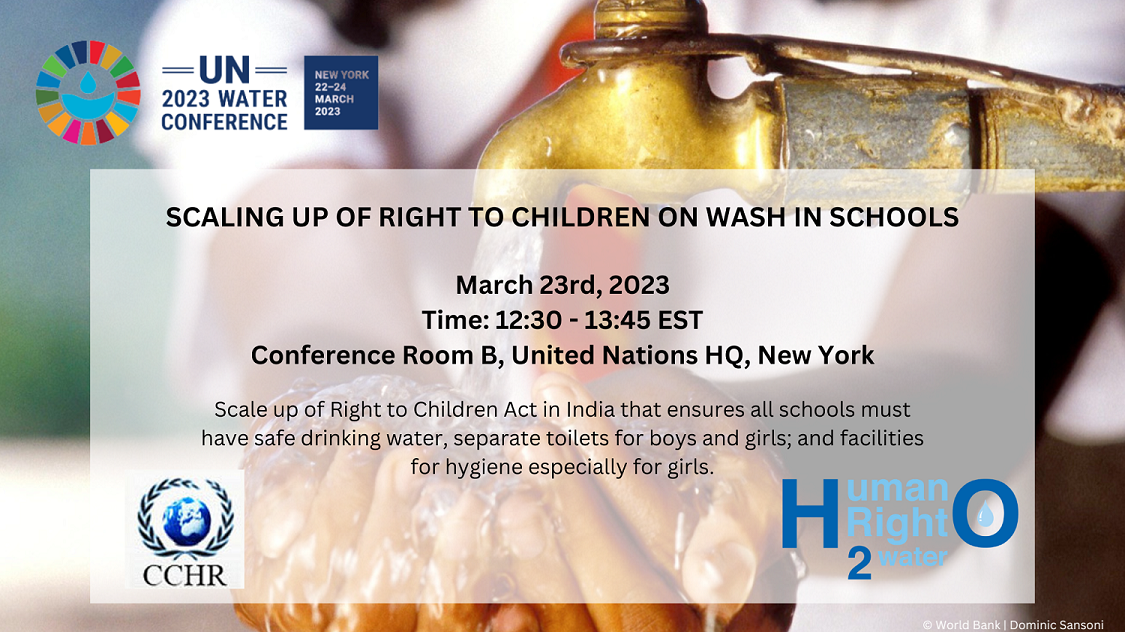
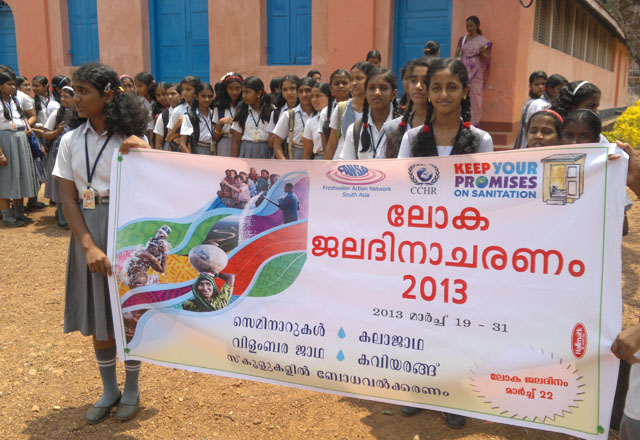
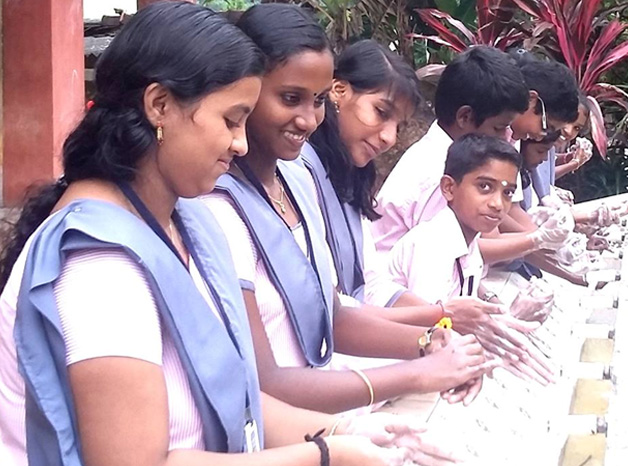
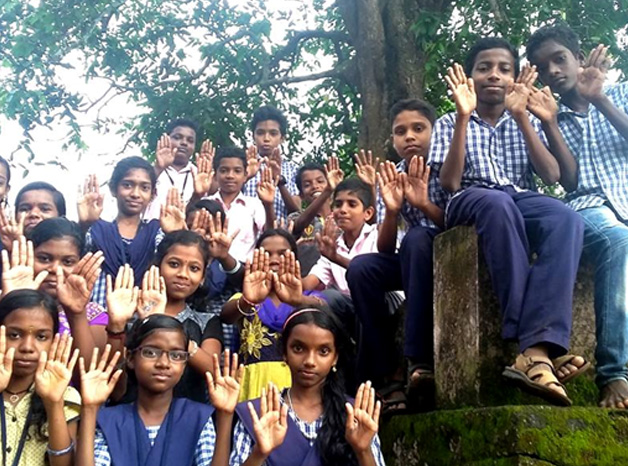
WASH Coalition along with its stakeholders in Kerala State (South India) launched a programme in certain selected schools in the southern districts of Kerala called “WASH in Schools” with an objective for better hygiene behavior and healthy environment in schools.
Two thirds of the earth's surface is covered by water but 97.5 percent of this water is saline
Two thirds of the earth's surface is covered by water but 97.5 percent of this water is saline
Two thirds of the earth's surface is covered by water but 97.5 percent of this water is saline
Two thirds of the earth's surface is covered by water but 97.5 percent of this water is saline
Two thirds of the earth's surface is covered by water but 97.5 percent of this water is saline
Two thirds of the earth's surface is covered by water but 97.5 percent of this water is saline
© 2023 CCHR . All Rights Reserved | Design by Softweb Solutions